Organic waste diversion, composting, and biodigestion tracking.
Structure operational records for organic waste collection, weighbridge intake, aerobic composting windrows, anaerobic biodigestion, and methane-avoidance project feasibility.
Turning daily waste diversion operations into auditable methane-reduction records.
When organic municipal, agricultural, or market waste is disposed of in unmanaged open dumps or anaerobic landfills, decomposition generates significant methane (CH4) emissions. Diverting that organic fraction into controlled aerobic composting or anaerobic biodigestion avoids landfill methane while producing compost or biogas.
However, waste operators frequently lack structured digital records connecting incoming waste weighbridge tickets, waste composition sorting logs, windrow turning and temperature checks, or digester gas flow meters—making it difficult to evaluate project feasibility or prepare evidence for carbon standards.
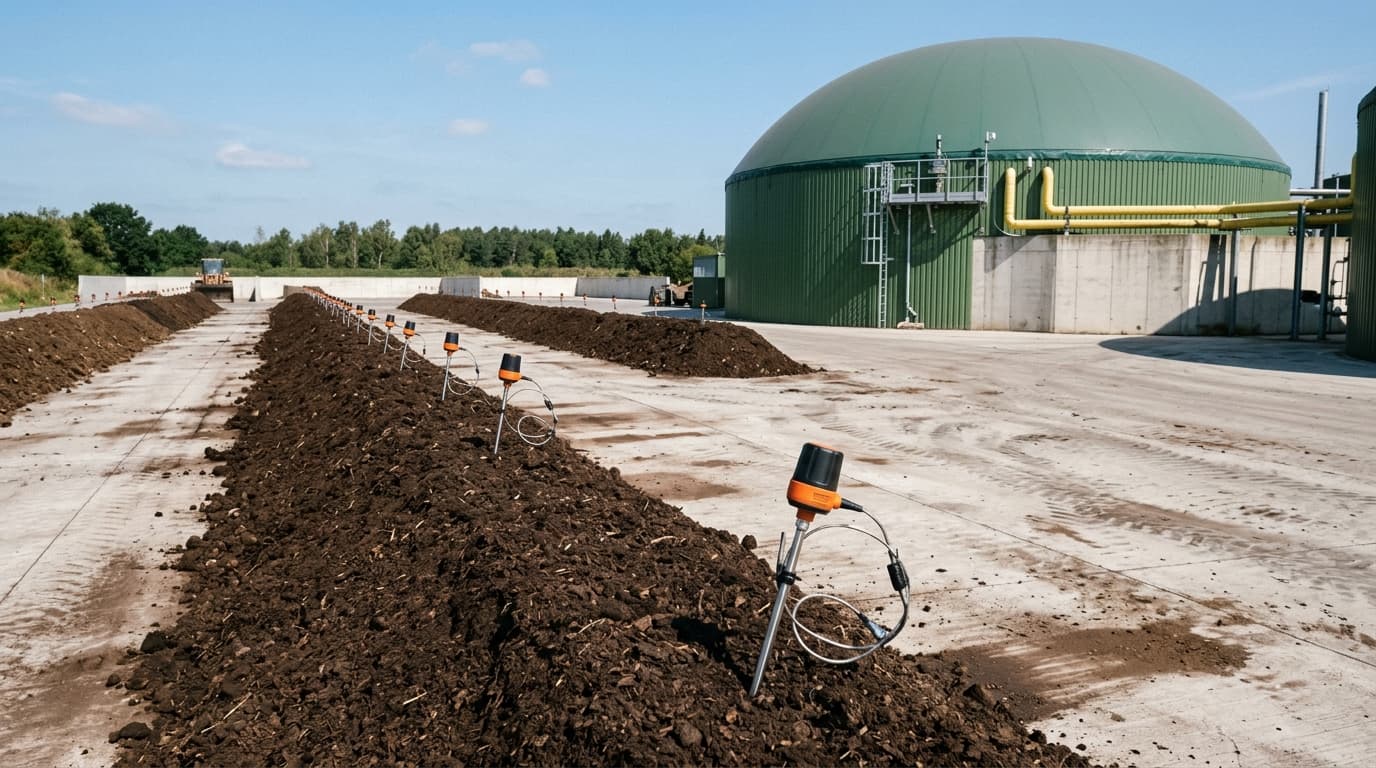
Supporting day-to-day waste management operations.
Organic Waste Intake & Weighbridge Tracking
Record daily waste collection loads, source categories (market organics, food processing residues, municipal green waste), contamination sorting ratios, and net wet/dry mass.
Aerobic Composting Windrow Monitoring
Log windrow batch identifiers, turning schedules, moisture checks, and periodic core temperature and oxygen probe readings to demonstrate aerobic conditions.
Anaerobic Biodigestion & Biogas Logs
Track digester feedstock loading rates, digestate output, biogas capture volumes, and flare or thermal/electrical utilization records.
Project Feasibility & Baseline Scoping
Organize historical waste disposal baseline documentation and operational pilot logs to assess eligibility under waste-sector carbon methodologies.
Field records and supporting documents.
Calibrated weighbridge tickets, vehicle delivery logs, organic fraction sampling protocols, and moisture content measurements.
Compost windrow temperature and dissolved oxygen logs proving aerobic treatment, or closed biodigester pressure, flow, and methane combustion/utilization records.
Baseline landfill/dump disposal evidence, finished compost distribution or application records, and facility environmental permits.
Current capability scope
Waste Management in VeriField Nexus is currently structured for operational waste tracking, field evidence organization, and methane-reduction feasibility scoping.
- Supports field activity capture, batch tracking, facility coordinate mapping, and document organization for organic waste composting and biodigestion pilots.
- Dedicated waste-sector automated credit calculation engines and waste-specific methodology certification are not yet enabled in the production calculation catalog.
- Pilot workspace configurations allow waste operators and public-sector partners to standardize operational data collection while evaluating formal methodology registration.
Bring your next climate project into focus.
Request an organization workspace for your project team, or speak with us about your field monitoring and reporting needs.