Why field records become difficult to manage over time
Most climate projects begin with straightforward tools: spreadsheets for tracking activities, messaging apps for sharing field photos, and shared drives for storing documents. In the early months of a pilot, this approach can feel manageable.
As more field officers, sites, or reporting periods are added, files quickly become separated from their context. A photograph stored in a folder without a clear location, date, or asset identifier is difficult to verify months later when preparing project reports.
Linking every observation to a specific place and asset
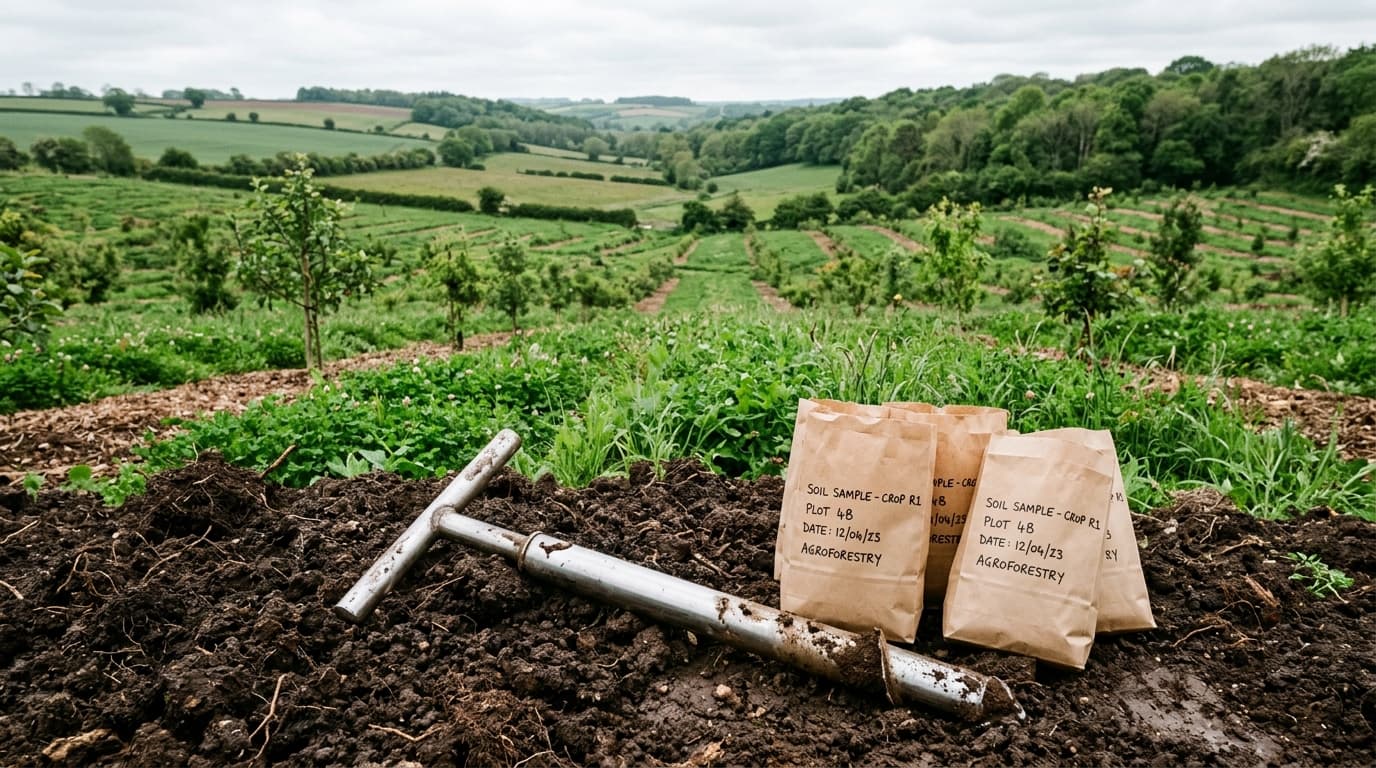
Reliable field monitoring starts with connecting each observation to the project asset or land unit it belongs to. Whether a team is recording soil samples, clean cookstove distributions, or biochar production batches, every entry should carry a consistent timestamp, GPS coordinate, and operator record.
When field teams work in rural areas with intermittent connectivity, mobile tools should capture these details offline first and synchronize them to the central workspace once a connection returns.
Reviewing records internally before external audit
Internal quality checks help project managers spot missing fields, duplicate entries, or out-of-range measurements early—while field officers can still clarify or re-collect the information.
Keeping raw field submissions, internal review notes, and final report packages clearly separated makes it much easier for independent third-party verifiers to trace how every figure in a report was assembled.